 Medical Advertising










LASIK patients research like their eyes depend on it
Months of research, a dozen fear questions, and a price comparison, that's the LASIK funnel. Winning it means owning the questions (cost, safety, candidacy, alternatives like SMILE and ICL), proving outcomes with patient stories, and being the name both Google and ChatGPT surface when the patient finally asks "best LASIK surgeon near me."
The 10 secrets of LASIK marketing
Sell safety before you sell price
Fear, not cost, is why LASIK volume sits at roughly half its 2007 peak. Lead with surgeon experience, complication data, and published satisfaction rates. A patient who feels safe will find the money; a scared one won't take it free.
Publish your price range
Every LASIK patient price-shops, and hiding the number reads as having something to hide. Publish a real range, explain what drives it, and frame it against the $20K-plus lifetime cost of contacts and glasses. Transparency filters tire-kickers and earns the serious ones.
Own the alternatives ladder
Half your consults aren't LASIK candidates, they're SMILE, ICL, PRK, or RLE patients who don't know it yet. Build comparison pages for every rung of the ladder. 'Not a candidate' becomes a referral to your own OR instead of a dead lead.
Nurture for months, not clicks
LASIK research runs months to years, and the practice still emailing at month nine wins. Build a sequence that answers fear questions in order: safety, candidacy, cost, financing. Most competitors stop following up after two weeks.
Be the answer to 'is LASIK safe'
That question now goes to ChatGPT before it goes to a consult. Surgeon-authored safety content with FDA outcome data and clean structure is what AI engines cite. If the AI's answer doesn't reflect your content, it's marketing someone else.
Win AI Overviews for comparison searches
'LASIK vs SMILE' and 'LASIK vs ICL' queries trigger AI Overviews that answer before your ad even loads. Question-formatted comparison content with schema gets cited inside them. Those are the highest-intent searches in refractive surgery.
Film the 24-hour post-op moment
The day-after visit, 20/20, no glasses, visible disbelief, is the most persuasive 30 seconds in refractive marketing. It's the direct antidote to fear, and no stock footage can fake it. Capture it with consent, every week.
Build review mass; ties break on stars
When patients compare three surgeons at similar prices, the one with 900 reviews at 4.9 beats the one with 90. Ask at the post-op wow moment, reply to everything, and never let velocity go flat. Reviews are the tiebreaker in a price-shopped category.
Take the map pack for 'LASIK [city]'
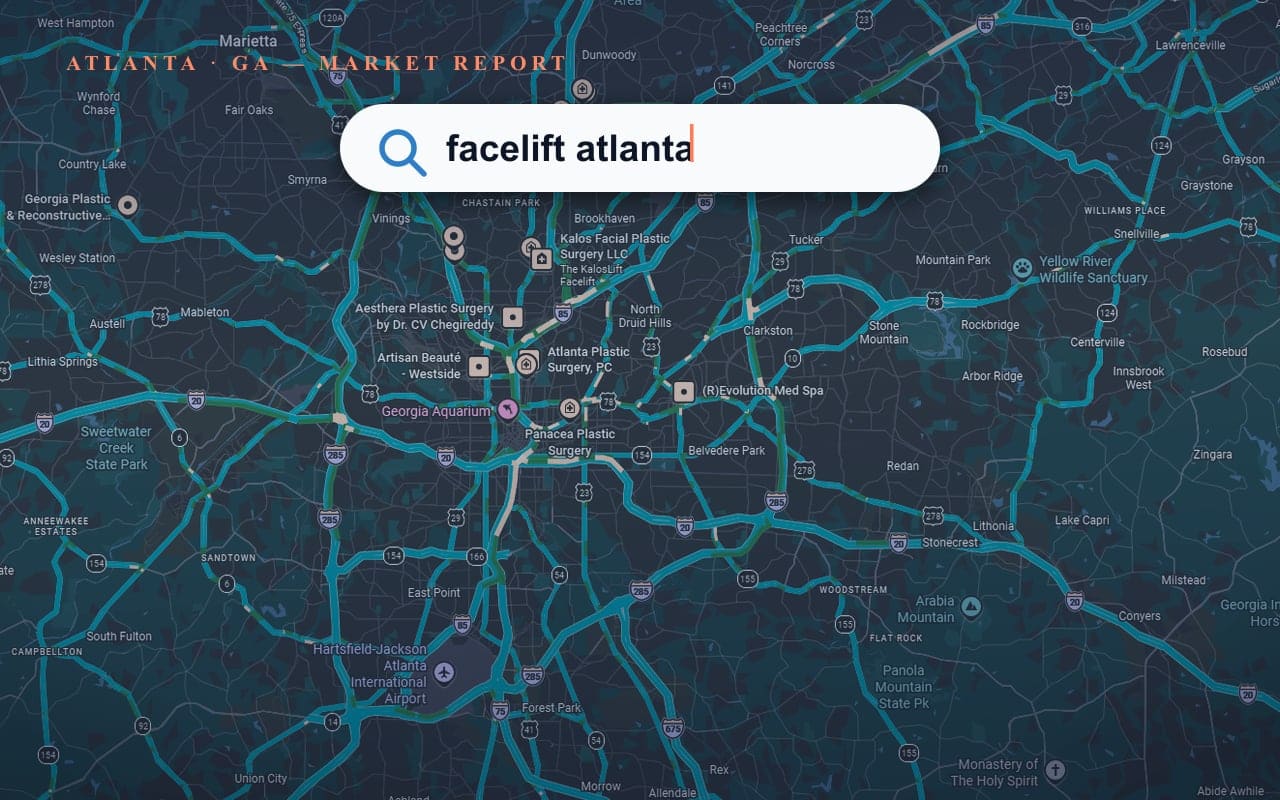
The local three-pack captures the calls on the highest-value search in your market. Categories, photos, Q&A, and steady review velocity on your Google Business Profile decide who's in it. Most LASIK practices set theirs up once and never touch it again.
Rebuild the seminar funnel for 2026
The hotel-ballroom LASIK seminar became the on-demand webinar and the two-minute candidacy quiz. A self-test with instant results plus financing pre-qualification pulls the fearful researcher into a conversation. Same funnel your best competitors ran in 2005, modernized.
Straight answers
What does a LASIK patient cost to acquire?
Blended acquisition of $200-$500 per surgery is common for established practices; cold paid traffic alone runs higher. Against a $4,000-$6,000 bilateral case the math works. The leak is usually consult follow-up, not lead cost.
LASIK volume is down industry-wide. Can marketing fix that?
Marketing won't restore 2007 volume, but the patients still moving are worth more and research harder. Practices that own safety content, reviews, and the alternatives ladder take share from those still running price ads. Flat market, shifting share.
How long until LASIK marketing produces consults?
Paid search and map pack work produce consults in 30-60 days. Organic rankings for comparison and safety terms take 6-12 months. The nurture sequence pays out across the full research cycle, so early leads keep converting months later.
Do I need a candidacy self-test on my site?
Yes. It's the highest-converting lead magnet in refractive surgery because it answers the patient's first question, am I even eligible, without a phone call. It also routes non-candidates into ICL and RLE education instead of losing them.
Take the market share others are leaving.
Free refractive market audit: your visibility vs. every competitor, Google and AI, plus the gaps you can take this quarter.
- TailoredCustom to your market. No templates.
- Need Market Exclusivity?We offer a Premium tier, one practice per metro