








Medical Advertising Agency logoMedical AdvertisingAgency

Insight for elective practices.

How Patients Choose a Doctor Now, and Why a Directory Often Decides First The shortlist gets built before a patient ever reaches your website, on reviews, the map pack, AI answers, and a new layer of independent directories. Here's how those lists get made, and how to make sure you're on them.110 Plastic Surgeons With the Biggest Instagram Followings A live research archive: the 110 plastic surgeons we found with the largest Instagram audiences, each with their profile, website, Google rating, domain authority, and site speed, captured June 2026.How Google Decides Who Wins Atlanta's Facelift Search A full teardown of Atlanta's facelift market: who ranks, why, and exactly what the top practices do on Google, schema, and site speed. Our 2026 competitive research report.Video-First SEO: How a Surgeon on Camera Out-Ranks Every Text-Only Practice in Town Google stopped rewarding the most pages and started rewarding the most trust. A surgeon on camera out-ranks the text-only practices in your market. Here's the full playbook.The 3-Act Patient Testimonial That Books Consults, Not Just Collects Stars A five-star review is proof; a patient's story is persuasion. The testimonials that actually book consults follow the same three acts every great story does.Who Really Owns Your Website, Domain & Google Profile? For Most Practices, It Isn't Them If you ever sell, relocate, or switch agencies, one question decides how painful it gets: who actually owns your digital front door? For most practices, it isn't them.Traffic Is Vanity: The Funnel That Turns Clicks Into Booked Consults Traffic is vanity; a booked consult is revenue. Most practice sites collect visitors and quietly lose every one. Here's the funnel that turns a click into a calendar appointment.Before-and-After, Reinvented: Why Two Flat Photos Lose to Transformation in Motion The before-and-after is the most persuasive asset in elective medicine, and two flat photos barely scratch it. In motion, it becomes the closest thing to watching the decision itself.
A decade of what actually works in elective-medicine marketing.Market report All news and resources

The 5-Second Trust Test Your Website Is Quietly Failing (and How to Pass It)

Apr 9, 2026 · 6 min read

A prospective patient decides whether to trust you in about five seconds, long before they read a word about your training. Here's what they're actually judging in that moment, and how to pass.

The 5-Second Trust Test Your Website Is Quietly Failing (and How to Pass It)

Trust is a feeling, and it forms fast

Choosing a surgeon is one of the most personal decisions a person makes. They arrive nervous and a little skeptical, and the first impression your website makes is emotional long before it's rational. The verdict lands in seconds.

In that window they aren't reading your credentials. They're reading signals: does this look current, calm, and real, or dated, cluttered, and generic? Get it wrong and the most qualified surgeon in the city loses to the one with the better first five seconds.

What they're really judging in 5 seconds

  • Speed. A slow load reads as a careless practice before a single word even appears.
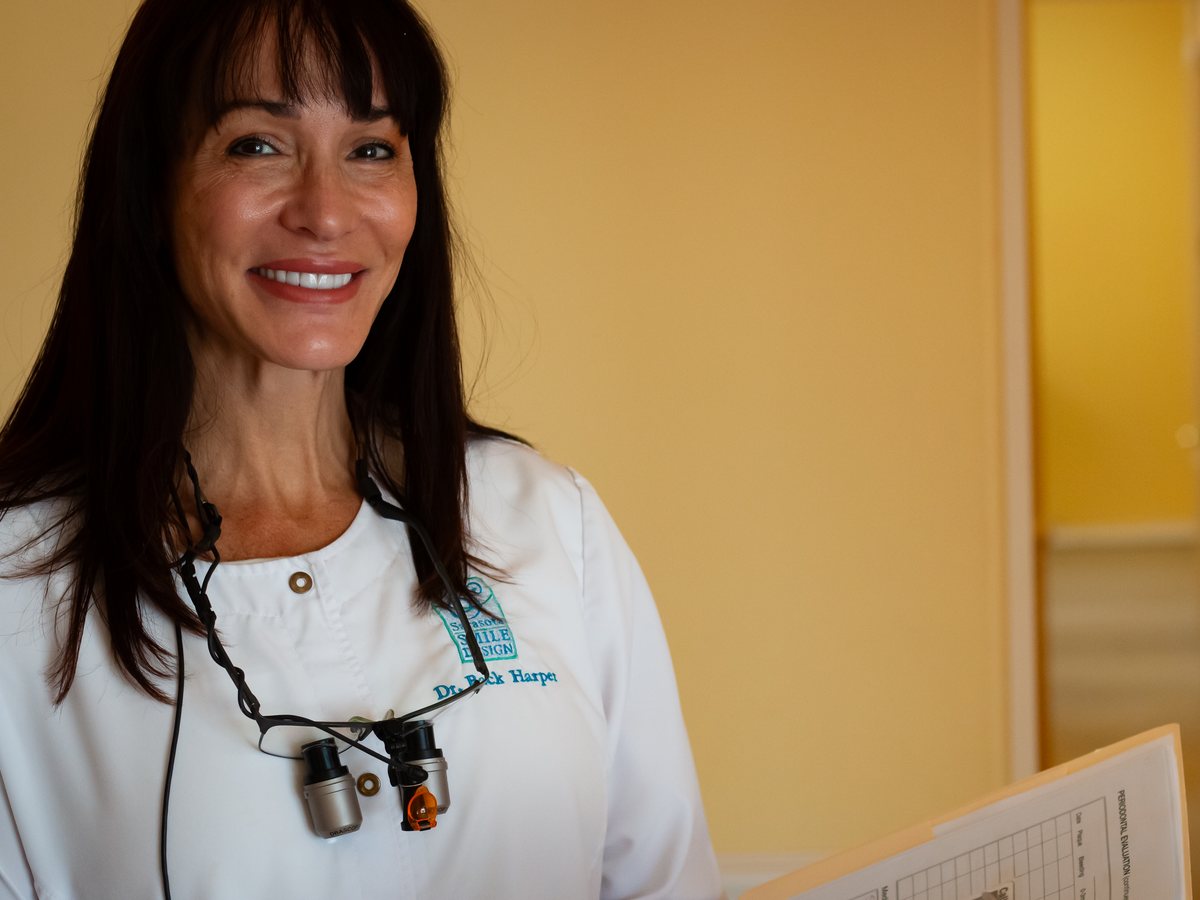
  • Real photography. Stock photos of strangers in lab coats quietly whisper 'we're hiding something.'
  • Calm, current design. Clutter and dated styling make people wonder what else hasn't been updated.
  • Proof, immediately. A real patient, a real result, a real review, all visible without scrolling.
Patients can't judge your surgical skill from a homepage. They judge whether you look like someone who has it.

How to pass the test

  1. Win the first second with speed. Fast hosting and light images aren't technical niceties. They're your very first trust signal.
  2. Use your own faces and your own work. Real photography of your team and your results beats any stock library, every time.
  3. Lead with proof. Put a real result or a real patient voice above the fold, not three scrolls down where nobody reaches.
  4. Cut the clutter. One clear message and one clear action per screen reads as confidence; a wall of options reads as uncertainty.

None of this is about tricking anyone. It's about making a trustworthy practice look as trustworthy as it actually is, in the five seconds you're given to prove it.

See where you stand in your market.

We'll map your competitors and the searches your patients use, then walk you through exactly what to do, live, on a call.