Dental ads measured in
booked consults.
Clicks are easy to buy and easy to waste. Dental keywords are among the most expensive in healthcare — implants at the top of the list — so the only number worth managing is what a booked case costs. We run the ads, the landing pages, and the call tracking that proves it.
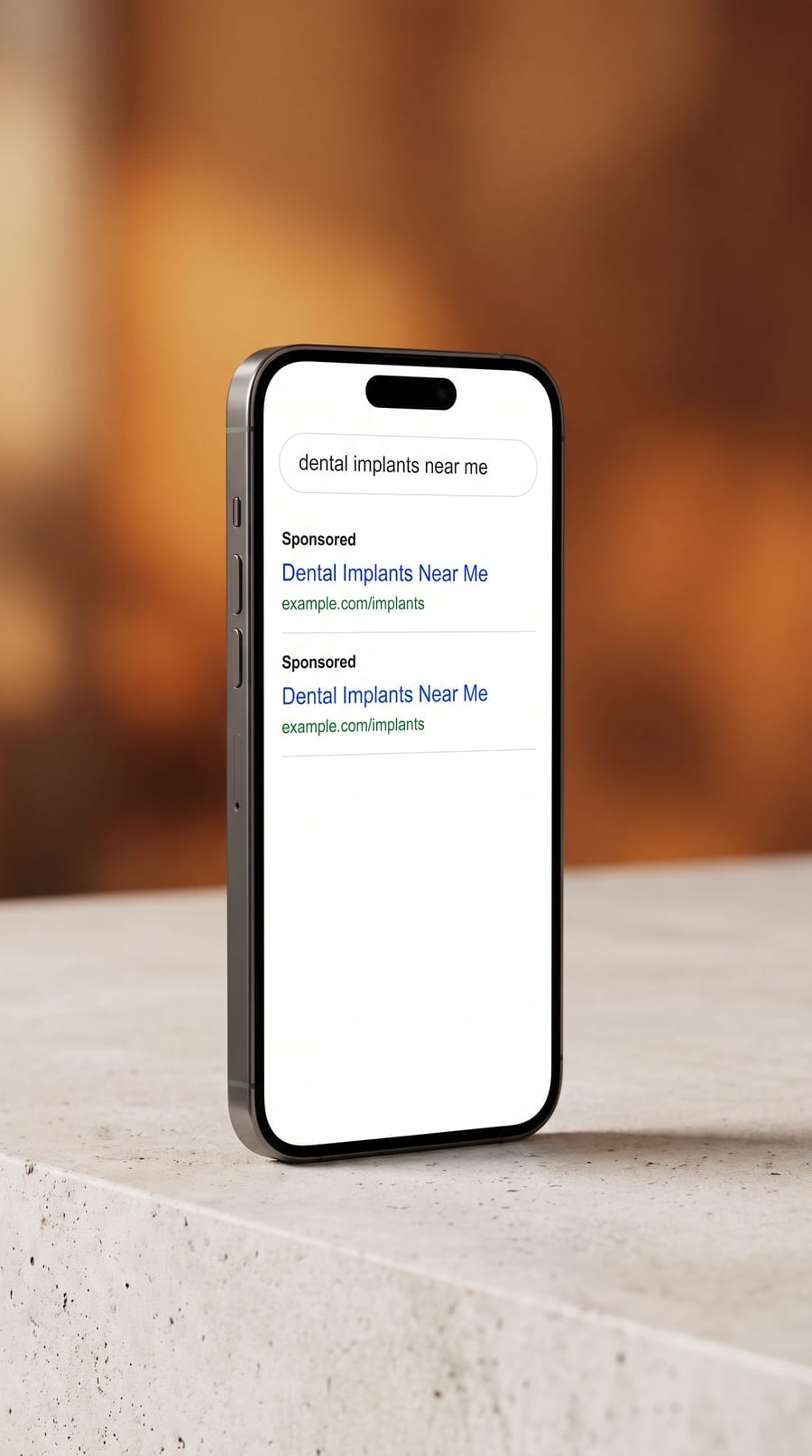
A cheap click that never books is the most expensive kind
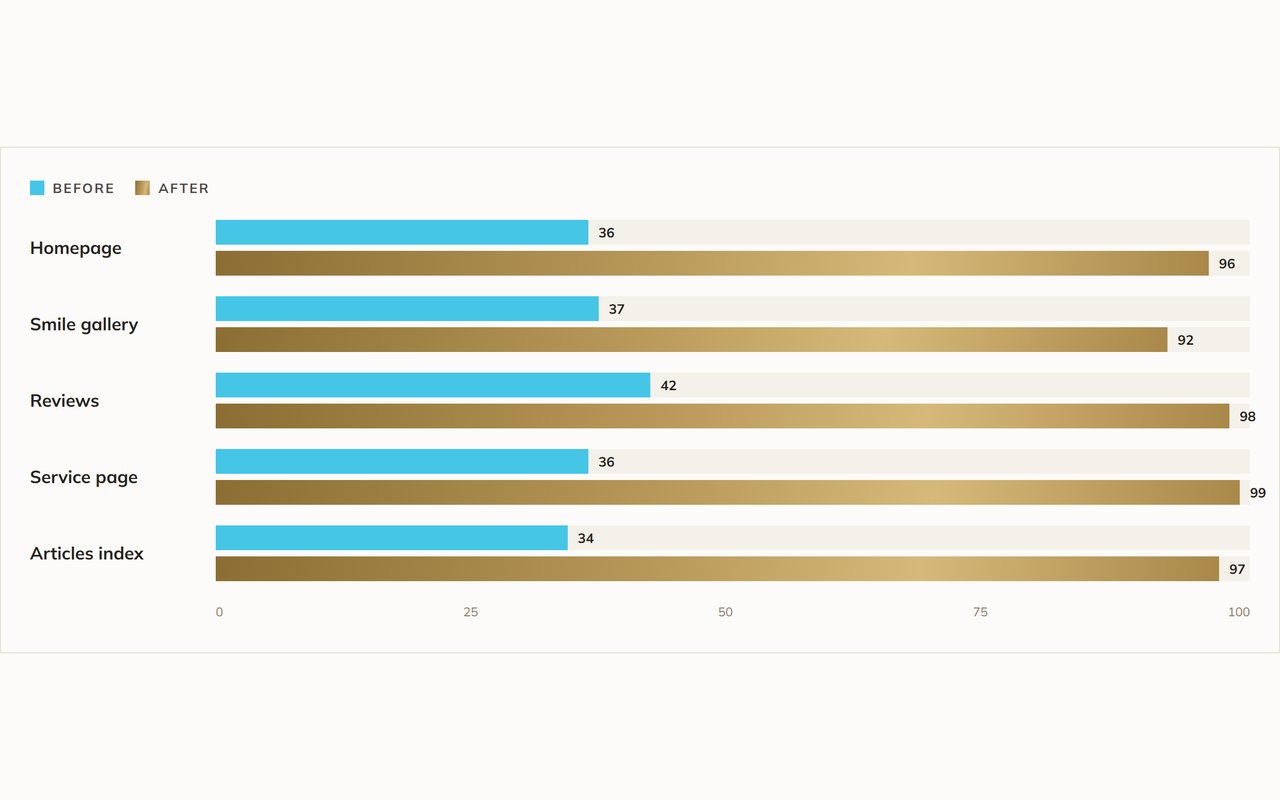
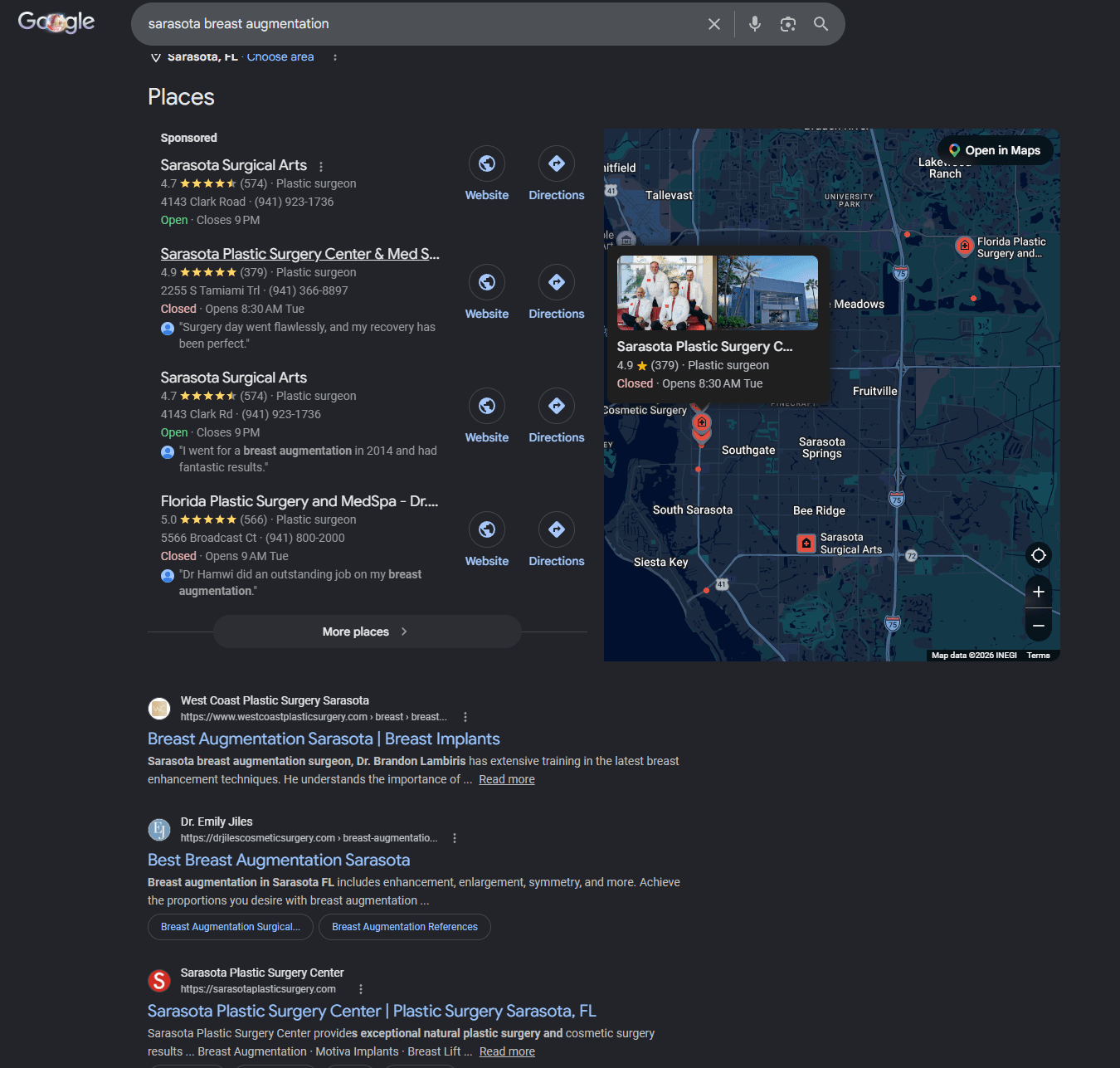
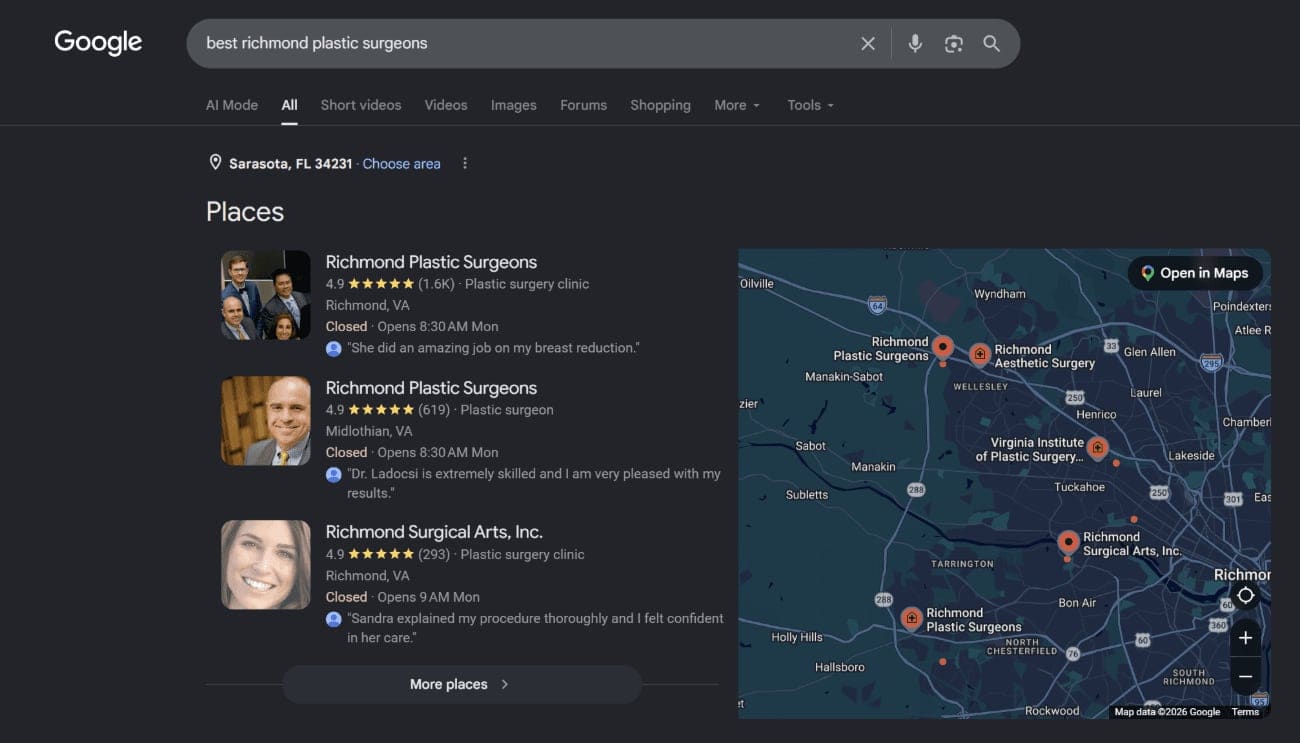
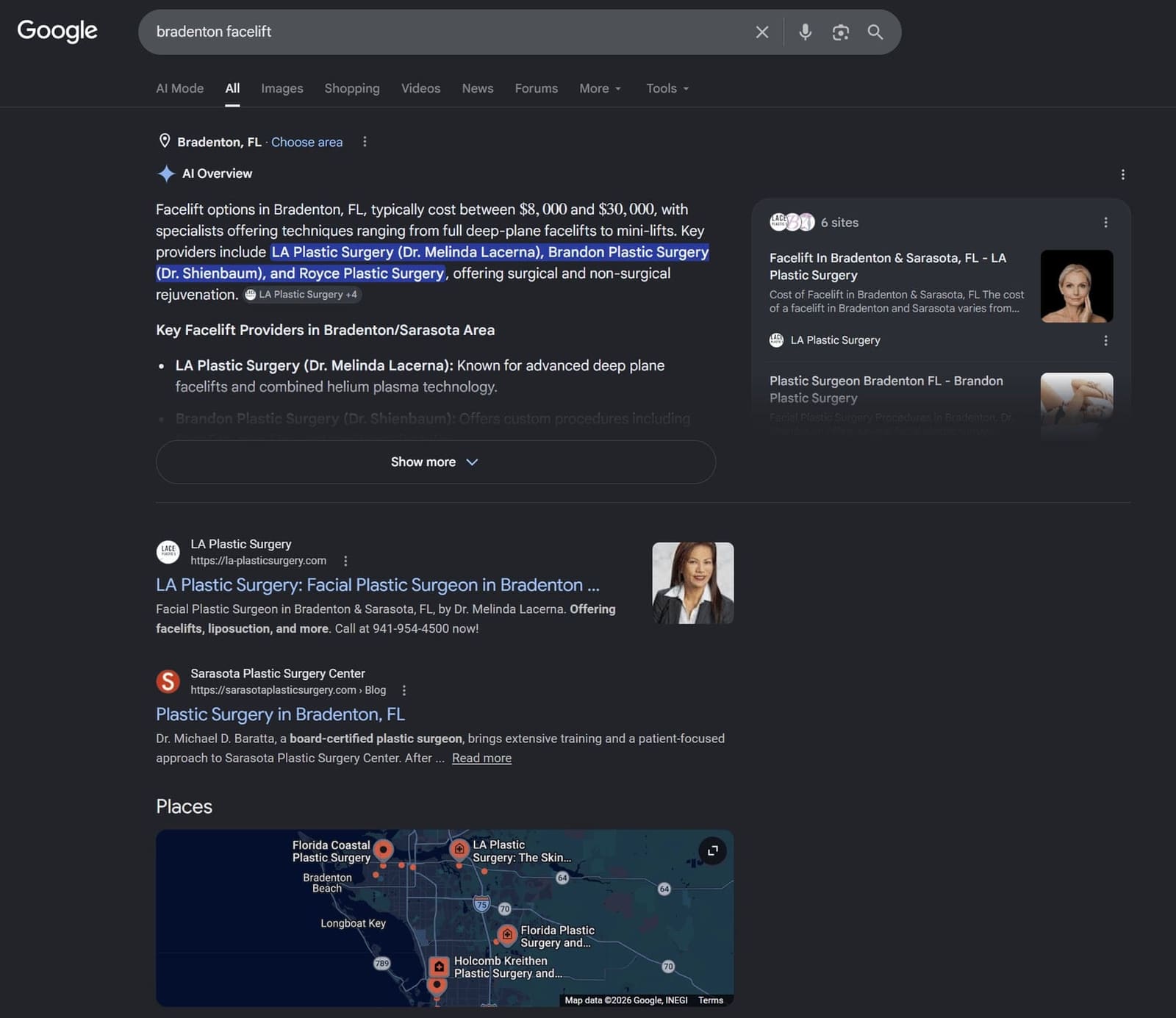
Where the paid traffic actually lands.
Real screenshots from our work: Sarasota Smile Design, a cosmetic dental practice, and our plastic, facial, and hair practices. Every one links to its case study.
The 10 secrets of dental PPC
Manage to cost per consult
Cost per click is a vanity number and cost per lead is barely better. The only figure that runs a practice is what a booked, showed-up consult costs — and most dental accounts cannot produce it.
Bid by case value, not search volume
An emergency-exam click and a full-arch click cost differently and are worth wildly differently. Budget follows case value. Most accounts spread spend evenly and quietly fund the cheapest procedures.
A landing page per campaign
Sending implant ads to the homepage burns the budget on navigation. Each campaign gets one page built for one decision: cost, candidacy, financing, booking. Nothing else on it.
Track the call, not the click
Most dental conversions are phone calls and 38% of them go unanswered. Call tracking and recording tell you which keyword rang the phone and whether the front desk booked it — usually the biggest finding in the audit.
Negative keywords are the whole job
'Dental assistant jobs,' 'free dental clinic,' 'dental school prices.' Without a maintained negative list you fund a stream of clicks that could never become a patient. This is where most wasted dental spend lives.
Emergency campaigns pay for themselves
Urgent searches convert immediately and often become long-term patients. Run them on tight geography and real business hours — an emergency ad that rings an unanswered phone is worse than no ad.
Local Services Ads sit above everything
Google-screened ads run above the map pack on a per-lead basis. For general dentistry they frequently beat search ads on cost per patient. Most practices haven't been through the verification.
Retarget the research arc
Implant and cosmetic patients take months to decide and almost never convert on the first visit. Cheap retargeting with patient stories and financing keeps you present through the decision most competitors abandon.
Send the ad traffic somewhere HIPAA-clean
Ad pixels on a page collecting health details is a compliance problem regulators have named specifically. BAA-covered forms and server-side conversion tracking keep the data and lose the exposure.
Don't let ads paper over invisible rankings
Paid buys the market today. Organic and the map pack build the market you keep. Practices that run ads forever to compensate for weak visibility pay the highest blended acquisition cost in the category.
Straight answers
What should a dental practice spend on Google Ads?
Start where the math is provable: enough to generate 20-30 clicks a day on your highest-value procedure, then scale what books. In most metros that's $2,000-$6,000 a month in media. Scale by cost per booked consult, not by budget target.
PPC or SEO?
Both, in that order of speed. Paid produces consults in weeks and lets you test which procedures and messages convert; SEO and the map pack lower blended acquisition cost permanently over 6-12 months. Using ads as a substitute for rankings is the most expensive long-term plan.
Why is my cost per lead so high?
Usually three things: no negative keyword list, ads pointed at the homepage, and no call tracking, so nobody knows which keywords produce patients. Fixing those typically cuts wasted spend substantially before any bid changes.
Are Local Services Ads worth it?
For general dentistry, frequently yes — they run above the map pack and charge per lead rather than per click. They're weaker for high-ticket procedures like full-arch, where search ads and organic carry the research-heavy decision.
Find out what a case actually costs you.
We'll audit your current spend, the wasted keywords, and what your competitors are paying to take the cases you want.